Metal pins may be small, but the finish you choose has a huge impact on how they feel, how they age, and how your brand or artwork is perceived. Plating is not just a technical step in manufacturing—it is a design decision that defines color, contrast, texture, and even emotional tone.
At HIPINS, with over 18 years of experience in metal pin manufacturing, we work with creators, brands, and studios worldwide to turn artwork into durable, expressive pins. In this guide, we’ll walk you through the most popular plating and finish options, explain their visual and practical differences, and help you choose the right combination for your design.
Explore popular finishes like gold, nickel, black nickel, antique, rainbow, and glitter so you can match the right look to your brand or art style.
What Is Plating in Metal Pin Manufacturing?
Plating is the process of coating a base metal—typically iron, brass, or zinc alloy—with a thin layer of another metal through an electrochemical process. This outer layer determines:
- The color and shine of your pin
- Resistance to oxidation and corrosion
- Surface smoothness and tactile feel
- How well enamel, epoxy, or printed colors visually contrast
Different plating options can make the same design feel luxurious, industrial, vintage, playful, or futuristic.
For a general technical overview of electroplating, you can refer to educational resources such as Wikipedia’s Electroplating page.
Core Plating Options We Offer
At our factory, the most commonly used and recommended plating options include:
- Gold plating
- Nickel plating
- Black nickel plating
- Rose gold plating
Chrome plating is also available. However, due to its higher cost and a greater risk of discoloration over time, we generally do not recommend chrome unless it is essential to the design concept.
Plating Comparison Overview
| Plating Type | Color Tone | Visual Style | Cost Level | Recommendation |
|---|
| Gold | Warm yellow | Premium, classic | Medium | Highly recommended |
| Nickel | Silver-white | Clean, modern | Low | Highly recommended |
| Black Nickel | Dark metallic | Bold, edgy | Medium | Highly recommended |
| Rose Gold | Pink-gold | Elegant, trendy | Medium–High | Recommended |
| Chrome | Bright silver | Mirror-like | High | Use with caution |
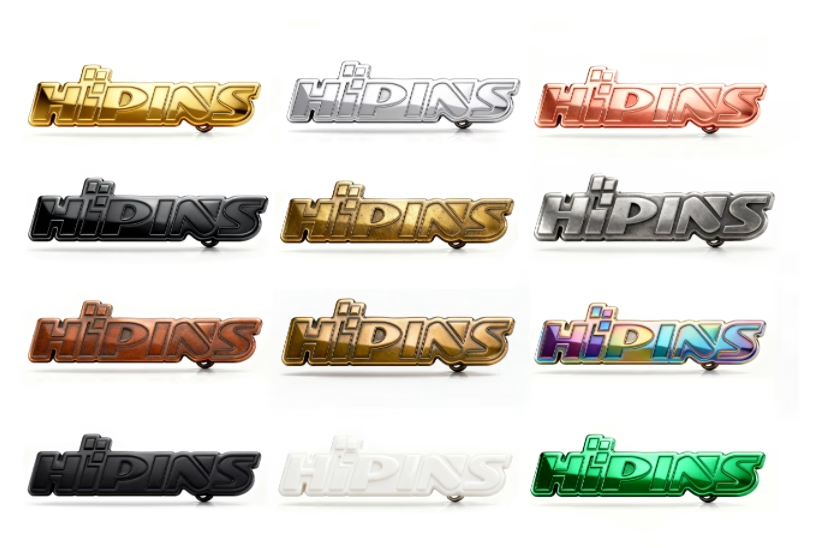
Gold Plating: Timeless and Premium
Gold plating is one of the most popular finishes for metal pins. Its warm tone instantly communicates value, celebration, and craftsmanship.
Visual Characteristics
- Rich yellow-gold color
- Excellent compatibility with both soft and high-contrast enamel colors
- Ideal for clean line art and detailed designs
Best For
- Brand logos
- Anniversary or commemorative pins
- Luxury, fashion, and lifestyle brands
- Minimalist designs where metal lines play a key visual role
Gold plating is also forgiving when it comes to minor scratches, making it a reliable choice for everyday wear pins.
Nickel Plating: Clean, Modern, and Versatile
Nickel plating provides a bright silver appearance with a slightly warm undertone. It is one of the most versatile and cost-effective finishes available.
Visual Characteristics
- Smooth silver-white surface
- Neutral tone that does not overpower enamel colors
- Clean, professional look
Best For
- Modern brand identities
- Corporate or event pins
- Designs with a wide color palette
- Large-scale production
Nickel plating offers excellent color accuracy, keeping bright colors vivid and dark tones crisp. If your artwork relies heavily on color rather than metal outlines, nickel is often the safest choice.
Black Nickel Plating: Bold and High-Contrast
Black nickel plating creates a dark, glossy metallic finish that adds instant drama and contrast to a design.
Visual Characteristics
- Deep gunmetal or near-black metallic tone
- Strong contrast with light or bright enamel colors
- Sleek, contemporary aesthetic
Best For
- Streetwear and edgy brands
- Character art and illustration pins
- Night-themed, cyberpunk, or gothic designs
Because black nickel reduces reflectivity, thin metal lines may appear slightly thicker. It works best with bold outlines and strong silhouettes.
Rose Gold Plating: Soft Luxury and Trend Appeal
Rose gold plating has gained popularity due to its warm pink hue and refined, modern feel.
Visual Characteristics
- Subtle pink-gold tone
- Softer and more romantic than traditional gold
- Ideal for delicate or lifestyle-oriented designs
Best For
- Beauty, jewelry, and lifestyle brands
- Floral and nature-inspired artwork
- Limited editions and premium collections
Although rose gold plating is slightly more expensive than standard gold, it delivers strong perceived value and visual sophistication.
Antique Finishes: Vintage and Story-Driven
Antique finishes, such as antique gold, antique silver, and antique bronze, are achieved by applying a darkened treatment that settles into recessed areas of the pin.
Visual Characteristics
- Muted, aged appearance
- Enhanced depth and texture
- Lower shine compared to polished finishes
Best For
- Historical, fantasy, or mythology-themed designs
- Story-driven artwork
- Pins with heavy line work or sculpted metal details
Antique finishes are especially effective when metal texture is a core part of the visual language.
Rainbow Plating: Eye-Catching and Experimental
Rainbow plating, sometimes referred to as iridescent plating, creates a shifting spectrum of colors across the metal surface.
Visual Characteristics
- Multicolor reflective finish
- Each pin may appear slightly different
- Strong visual impact
Best For
- Experimental art pins
- Music, festival, or youth-oriented brands
- Simple designs that allow the plating itself to stand out
Due to its visual complexity, rainbow plating is best paired with minimal enamel colors or used on metal-only pins.
Glitter Finishes: Sparkle and Playfulness
Glitter is not a plating method but a finish effect often combined with enamel. It adds sparkle and texture that catches light from multiple angles.
Common Uses
- Accent areas such as eyes, stars, or logos
- Full-fill glitter enamel pins
- Cute, decorative, or playful designs
Glitter works best when applied intentionally. Strategic placement can elevate a design, while overuse may overwhelm it.
Chrome Plating: Why We Use It Carefully
Chrome plating offers a mirror-like silver finish, but it comes with two important considerations:
- Higher cost – Chrome plating is more expensive than standard gold or nickel plating.
- Color stability risk – Chrome has a higher risk of discoloration over time, especially in humid environments or with frequent handling.
For these reasons, we generally recommend nickel plating as a more stable and cost-effective alternative unless chrome is essential to your design concept.
How to Choose the Right Plating for Your Brand
When selecting a plating option, consider the following factors:
- Brand personality (luxury, playful, edgy, minimal)
- Target audience and usage scenario
- Artwork complexity and line thickness
- Budget and order quantity
Quick Reference Guide
| Brand Style | Recommended Plating |
|---|
| Luxury / Premium | Gold, Rose Gold |
| Modern / Corporate | Nickel |
| Streetwear / Edgy | Black Nickel |
| Vintage / Fantasy | Antique Gold, Bronze |
| Experimental / Art | Rainbow |
Frequently Asked Questions (FAQ)
Q1: Can I mix different platings in one pin?
Yes. Some designs use dual or selective plating, though this may increase cost and production complexity.
Q2: Which plating option is the most durable?
Nickel and gold plating are both highly durable for everyday wear when properly sealed.
Q3: Does plating affect the minimum order quantity?
No. Our standard MOQ starts from 30 pieces, regardless of plating choice.
Q4: Can you recommend a plating option if I’m unsure?
Absolutely. We review your artwork and suggest the most suitable plating based on your design and brand goals.
Contact Us
Choosing the right plating can completely change how your pin looks and feels. If you’re unsure which finish fits your design, we’re happy to help.
📩 Email: Tina@hipins.com
📷 Instagram: https://www.instagram.com/tinahipins/
Let’s turn your artwork into metal pins that truly stand out.